




About Stack Ball
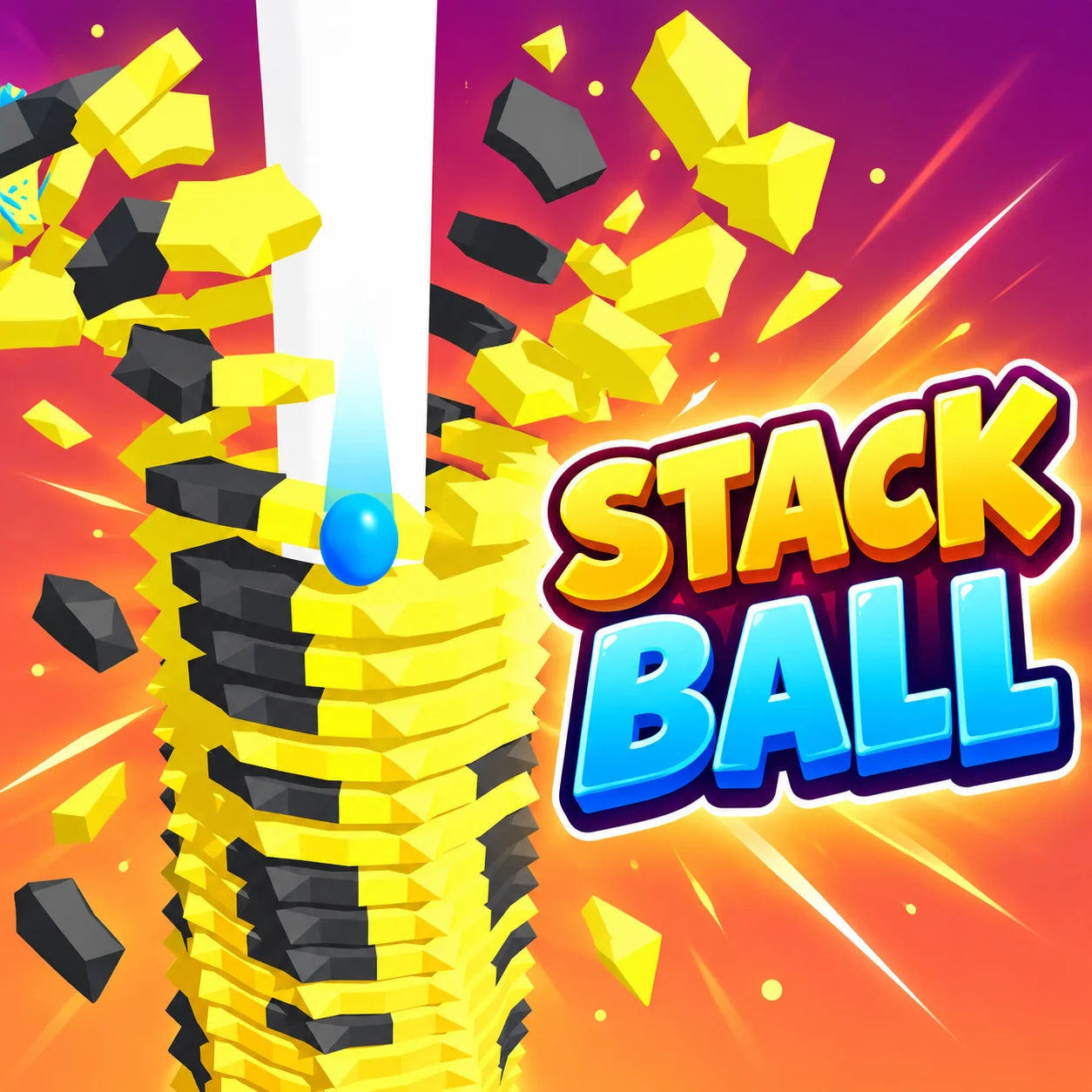
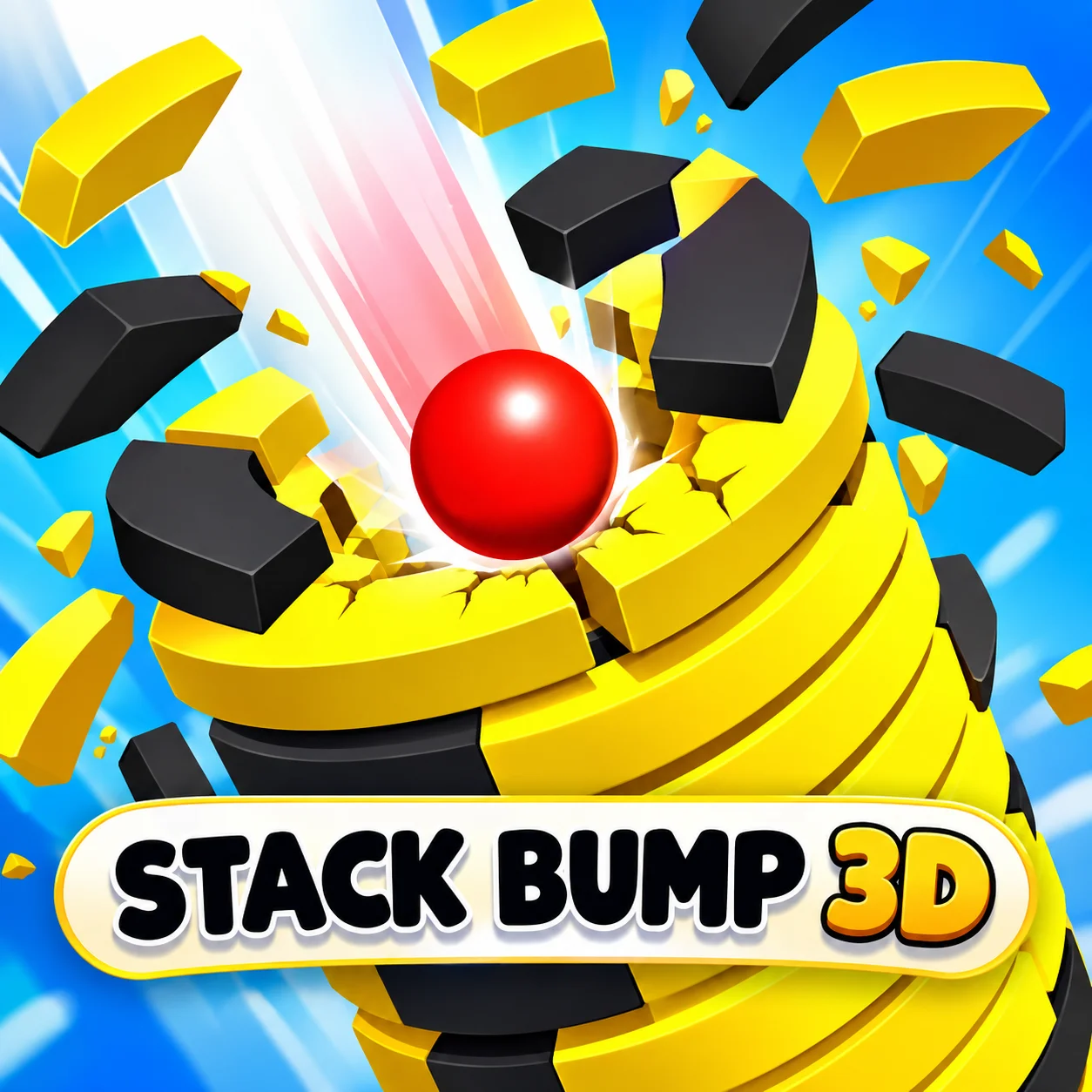
The central idea in Stack Ball is dropping a ball through colored platforms while avoiding black bars.
It is an arcade skill game built around that mechanic.
Click or hold to send the ball down through the stack.
Colored platforms can be broken, while black bars stop the ball and must be avoided. The central interaction in Stack Ball is quick to understand, but repeated attempts expose the timing behind it.
How to Play Stack Ball
- Click or hold to send the ball down through the stack.
- Colored platforms can be broken, while black bars stop the ball and must be avoided.
- The first attempts in Stack Ball are useful for learning the timing of the main interaction.
- Rather than trying to maximize the score in Stack Ball immediately, identify what the screen looks like just before a successful move and use that cue on the next attempt.
- Check the next platform before holding the drop through the stack.
Controls
Stack Ball uses a single input — Mouse click / hold — so a desktop or laptop browser is a comfortable way to play.
Colored Floors Break; Black Floors Do Not
Stack Ball sends the ball downward through layers of platforms.
Colored sections can be broken, while black bars stop the descent and create the main hazard.
The important consequence is that the mechanic can be planned around before the action happens.
Preparing for the consequence is usually more reliable than correcting the situation after it appears.
Holding the Drop Is a Risk Decision
The same press that speeds the ball through safe layers can carry it straight into a black section.
Reading the next platform before committing to a longer drop matters.
Stack Ball starts asking more from you when the mechanic has to be planned around before the action happens.
That gives you a clear reference point for the next Stack Ball attempt.
Black Bars Change the Meaning of a Hold
A long hold is useful through breakable platforms but dangerous when a black bar is next.
The key is knowing when the descent should continue and when it should stop.
The rule looks simple in Stack Ball, but the consequence still needs to be considered before the action.
Preparing for the consequence is usually more reliable than correcting the situation after it appears.
Black Sections Change the Safe Rhythm
The colored layers invite continuous breaking, but black sections cannot be destroyed.
That changes the timing of the hold.
Rather than treating the stack as one uninterrupted descent, watch for the section that can stop the current move.
The safest rhythm is to release or pause when the dangerous layer is approaching, then continue once the path is open again.
Practical Tips
- Check the next platform before holding the drop through the stack.
- Learn the timing of the first few Stack Ball attempts before trying to maximize speed or score.
- Keep enough room for correction instead of hugging a dangerous edge or committing to a long input.
- Use the visual state of the object or obstacle to decide when to act rather than relying on a fixed rhythm.
FAQ
What is the main challenge in Stack Ball?
The game centers on dropping a ball through colored platforms while avoiding black bars.
How do you control it?
Use Mouse click/hold.
What is the main objective?
Click or hold to send the ball down through the stack.
What should you know about Colored Floors Break; Black Floors Do Not?
Stack Ball sends the ball downward through layers of platforms.
What should you know about Holding the Drop Is a Risk Decision?
The same press that speeds the ball through safe layers can carry it straight into a black section.
What should you avoid early on?
In your first few attempts, check the next platform before holding the drop through the stack.
What changes once the core mechanic becomes familiar?
Once the basics are familiar, a long hold is useful through breakable platforms but dangerous when a black bar is next.
More Games Like This
Death Run 3D
Dragon Vs Bricks

Endless Truck
Endless Tunnel

Flip Runner
Flood Runner 2

Flood Runner 3

Football Run
Fred Running
Geometry Dash 3D
Jumping Shell